

How to Build Media Visibility for International Exhibitions and Trade Shows in Singapore
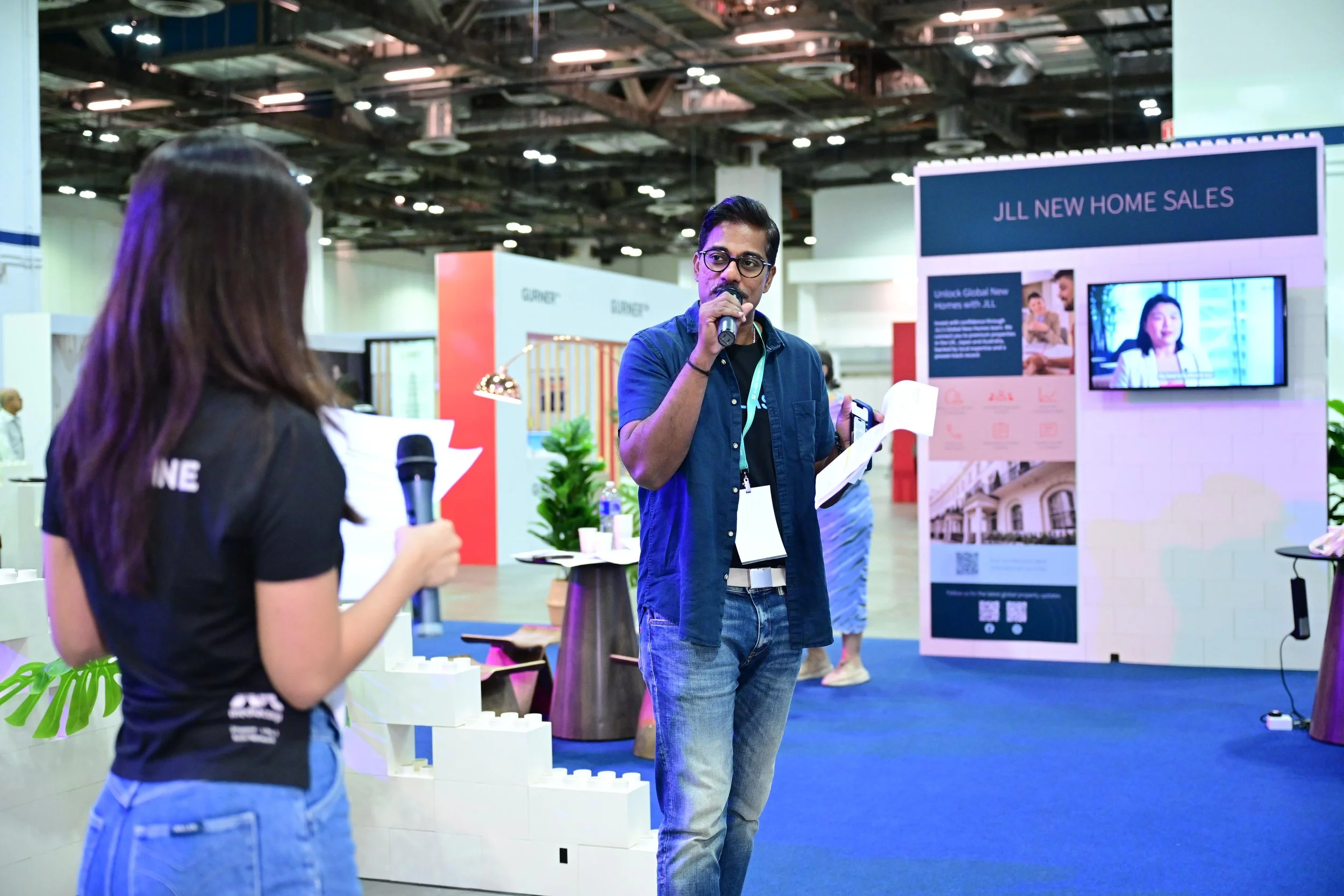
Singapore, and increasingly cities across the region —Bangkok, Kuala Lumpur, and Jakarta—are gaining traction for hosting large scale trade shows. Singapore hosts some of Asia's most significant international trade events—from food and beverage to technology, real estate to sustainability and agriculture.
Getting media visibility for these events requires a fundamentally different approach from brand PR. Here is a blueprint for what actually works in the region.
Start with the stakeholder map, not the press list
Every trade show or exhibition has three distinct audiences: exhibitors, visitors, and media. Each requires a different message and a different channel.
The mistake event organisers often make is treating these as one audience and sending the same press release to everyone. Yet:
A journalist covering a food trade fair needs the story of why this edition matters globally.
A potential exhibitor needs confidence that their target buyers will be in the room.
A consumer visitor needs a reason to attend over competing demands on their weekend.
Map each audience before writing a single word of copy. Define who they are. Find opportunities to bridge the communications gap with quid pro quo partnerships with associations (to bring speakers, buyers, and exhibitors), and local trade media to reach those people with a stake in the business.
Each audience needs a targeted press kit: fact sheets that state relevant trends, biographies of key industry leaders (perfect for speakers, exhibitors, and sponsors) attending that could potentially be interviewed, talking points for such speakers. What’s new, innovative, or exciting at the show?
Maximise your opportunity for publicity before the event. Excite people to want to attend.
Build the media programme before the event opens
The most valuable coverage for a trade event happens before the doors open — it drives registration, exhibitor sign-ups, and anticipation.
Post-event coverage documents what happened. Pre-event coverage shapes what happens.
Build your media outreach programme at least three months out, with a clear content calendar: initial announcement, speaker or exhibitor reveals, research or data releases, preview features.
Journalist Visit Programmes are non-negotiable for international reach
For events seeking regional or international media coverage, a structured Journalist Visit Programme — where selected journalists are hosted, briefed, and facilitated through the event — consistently outperforms general media accreditation.
Curate the list carefully. Tap Tier-1 National News journalists to attend. Sponsor their trips — the price is minimal considering the depth and breadth of the audience you’ll attract.
Brief each journalist individually on the stories most relevant to their publication and audience.
Facilitate interviews with key spokespeople. The difference between 20 accredited journalists and 20 briefed journalists is the difference between 20 potential clips and 20 highly likely ones.
VVIP stakeholder handling requires a separate protocol
Ministers, ambassadors, and senior industry figures attending an event need their own communications management — briefing documents, media positioning, interview facilitation, and post-event follow-up.
Conflating VVIP management with general media management creates gaps that damage relationships that took years to build.
The numbers that matter are not just clip counts
For the Global Property Expo Singapore 2025, Pinpoint PR secured 765 media placements reaching a combined monthly readership of over 442 million across the campaign window — but the metric that mattered most to the client was footfall and the quality of the buyer audience in the room. The most valuable metric was that 3 out of 4 adults in Singapore heard or read the news that the Expo was taking place.
Always establish at the outset what commercial success looks like, and build the communications programme backward from that outcome.
Digital amplification extends reach beyond the event footprint
Earned media is the foundation. Social content, EDM campaigns to industry associations and partner networks, and targeted digital promotion extend that foundation to audiences that media alone cannot reach.
For THAIFEX–Anuga Asia, Pinpoint PR tapped a combination of regional trade media, direct association outreach, and digital promotion contributed to 948 media mentions and 78,000 visitors across the Singapore and Thailand editions.
Pinpoint PR has managed event communications programmes across Southeast Asia since 2007, including THAIFEX–Anuga Asia, Global Property Expo Singapore, SIGGRAPH Asia, TechInnovation, and EmTech Asia.
