

Deep Tech, Life Sciences, Science PR
Pinpoint PR is adept at translating highly technical communications into stories that resonate with all audiences. Our track record includes work with recipients of the Nobel Prize, Millennium Technology Prize, Turing Award, and Fields Medal to tell their stories in mainstream media.
The biggest issue with these sectors isn't a lack of genius; it's a clarity problem. To the average corporate buyer or venture capitalist, concepts like genetics, spintronics, spatial computing, industrial digital twins, interfaces often sound far more intimidating than actual business tools.
We cut straight through the hype. We translate your complex capabilities into concrete business outcomes—showing enterprise markets how your tools increase worker safety, speed up design times, or change how customers interact with brands.
-
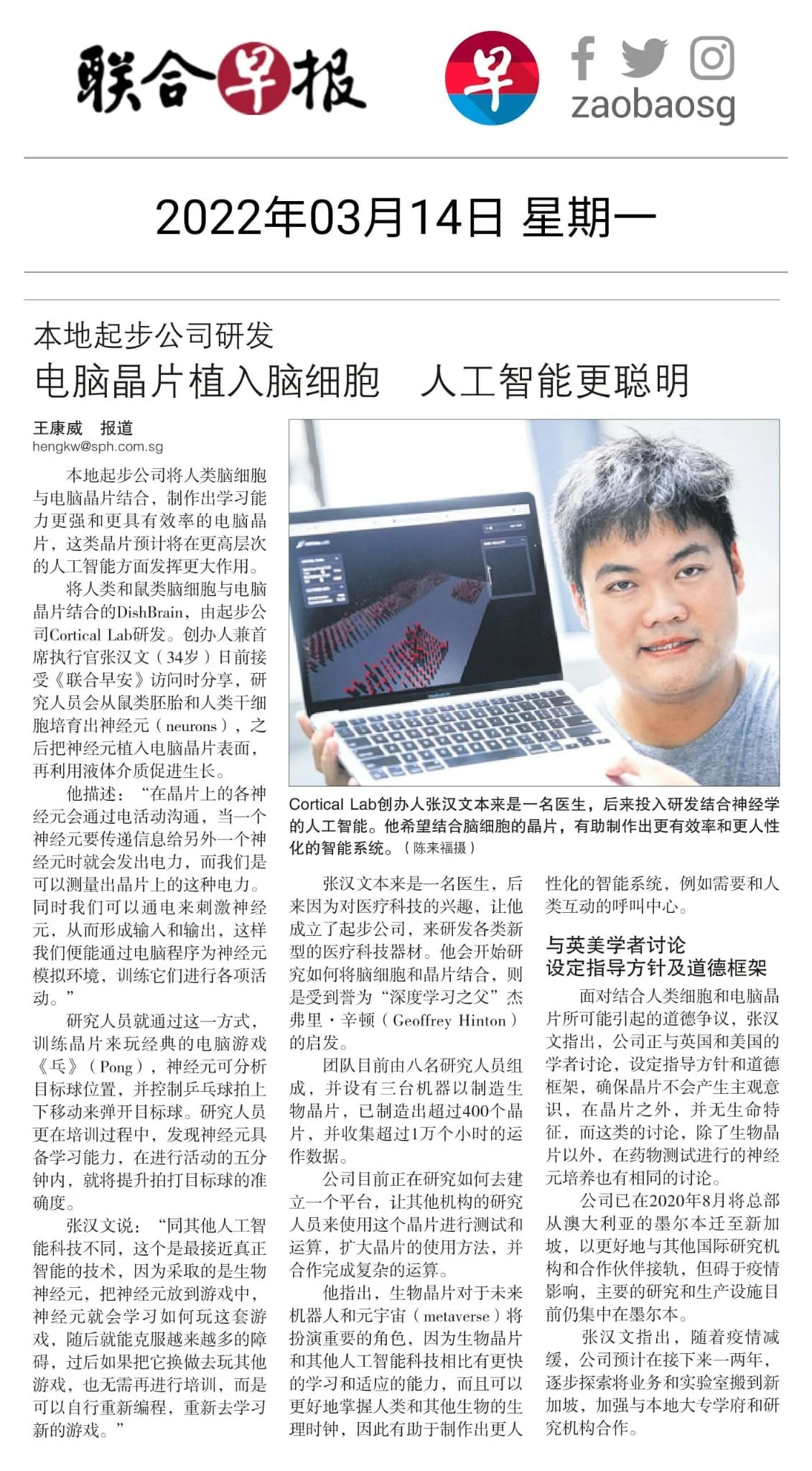
![Cortical Labs in Liane Zaobao_by Pinpoint PR]()
Frontier Research Validation
Pinpoint PR worked with Cortical Labs to articulate their proposition, with the goal of achieving peer review in Nature magazine. We defined their narrative to launch a breakthrough "Wetware-as-a-Service" framework, transforming complex biological neuroscience into a validated, high-profile computer science disruption. A story in Nikkei led to a platform opportunity with Toyota Labs, eventually leading to more breakthroughs for the young company.
-
![Pinpoint PR Media Kit_Cell-ID's Quiz PCR Biochips - filling the biochip.jpg]()
Regulatory Communications
For the launch of Cell ID’s groundbreaking Quiz PCR Biochip, Pinpoint PR created a technical press kit to convey highly complex molecular diagnostics into a market-moving narrative. We embedded a specialized science journalist to conduct an intensive interview with the inventor, then constructed the narrative into a macro-trend technical feature and a gripping biographical profile. Launched via a virtual press briefing.
We used the approach to bypass traditional regulatory bottlenecks to spark an immediate wave of international syndication: within a single week, it secured an immediate 2,000-unit commercial order from a European hospital, captured the attention of NASA’s technical teams to accelerate FDA approval pathways, and ultimately generated the global market velocity that culminated in a successful corporate acquisition by a major multinational electronics corporation within twelve months.
-
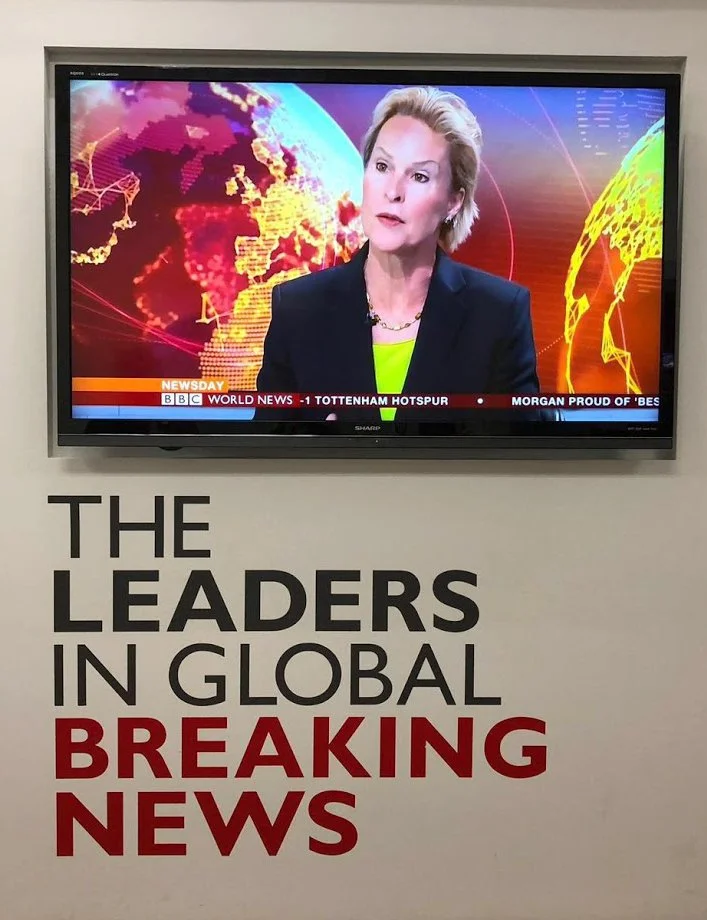
![For Global Young Scientists Summit, Pinpoint PR arranged for Nobel Laureate Frances Arnold to be interviewed on BBC World in Singapore.]()
Genetics in Mainstream News
Pinpoint PR, working with the National Research Foundation, has profiled geneticists like Frances Arnold in mainstream news outlets such as the BBC, in Singapore. We engage science journalists to conduct interviews with scientists, translating their story into pitches and editorials that can be consumed by the public.
-
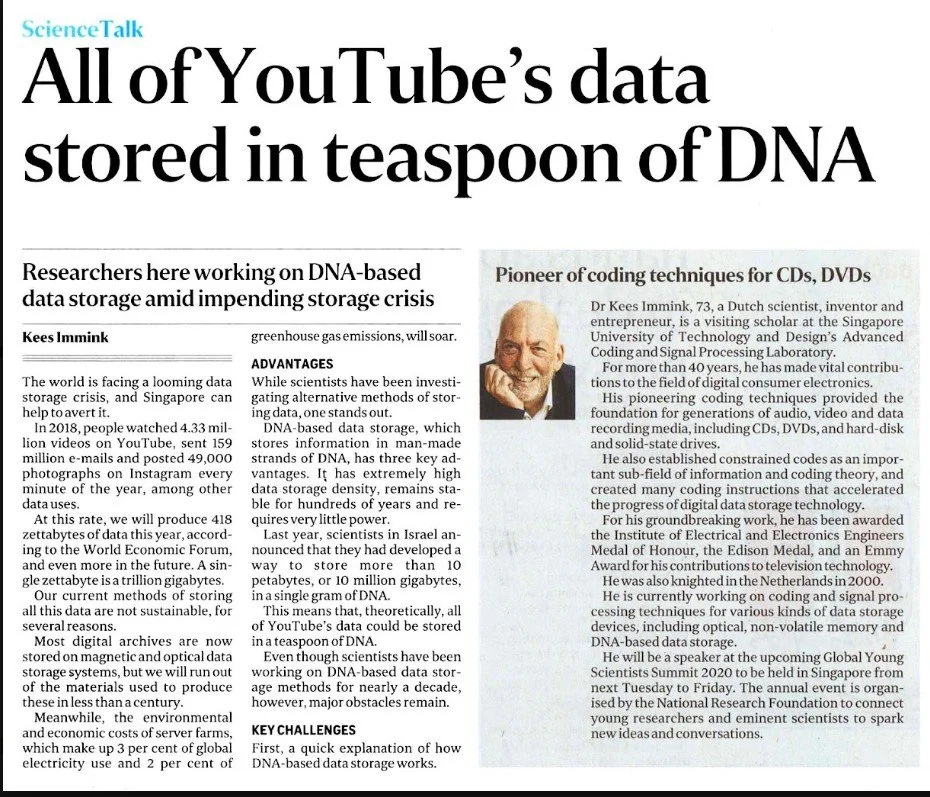
![Dr Kees Immink_The Straits Times_by Pinpoint PR.jpg]()
Profiling Maths & Physics
Working with the National Research Foundation for the Global Young Scientists Summit, Pinpoint PR has profiled mathematicians, roboticists, and physicists in mainstream news in Singapore.
-
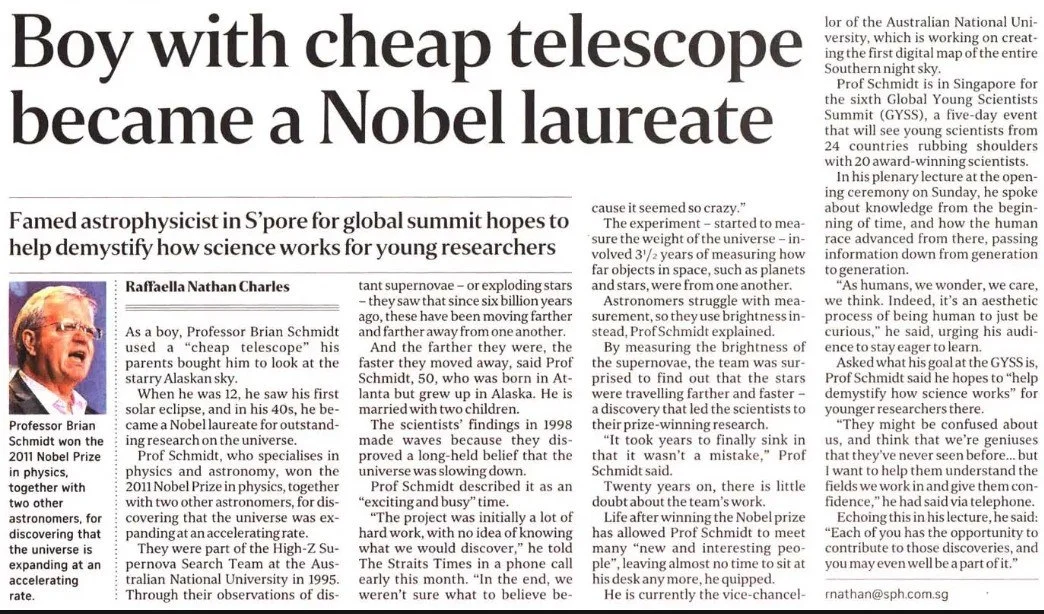
![Prof Brian Schmidt_Astrophysicist_by Pinpoint PR.jpg]()
Space Tech and Astrophysics
Pinpoint PR has experience profiling astrophysicists working with the National Research Foundation, and placing immersive tech space stories, for example profiling Professor Donna J. Cox, through our work on various editions of Emtech Asia and SIGGRAPH Asia. For an event we publicized for CNN, we obtained local media profiles of astronaut Buzz Aldrin.
-
![L'Oreal for Women in Science_Lee Jingmei_by Pinpoint PR.jpeg]()
L'Oreal for Women in Science
Pinpoint PR was the local PR agency for the L’Oreal for Women In Science programme while it was running in Singapore.
We helped bring many promising women scientists to the fore in Asia. Many have gone on to become well known in the field.
-
![MIT Tech Reviews_Innovators Under 35_profiled by Pinpoint PR]()
Innovators Under 35
For five continuous years, Pinpoint PR profile the Innovators Under 35 series alongside EmTech Asia for MIT Technology Review.


Frequently Asked Questions
-
We do not guess, and we do not need technical hand-holding. Our team operates natively alongside all manner of scientists, technologist, engineers, mathematicians and other specialized spokespersons. We understand how academia works, how to read technical whitepapers, and how to safely translate complex laboratory data into highly accurate stories that business editors love to publish. We work with writers that are trained in technical writing and have a passion for science and technology.
-
The best time to start is well before your commercial rollout. Deep tech requires building a long-term runway of institutional trust. We regularly partner with deep-tech ventures during their early development phases to build foundational credibility, ensuring that when you are ready to announce a funding round or a commercial partnership, the market already knows exactly who you are.
-
Yes — and early-stage spinouts are where we do some of our most consequential work. The communications challenge at spinout stage is not awareness; it is credibility translation. You need institutional investors, potential commercial partners, and grant bodies to understand what you are building and why it matters before you have a product in market. We have worked with research-stage companies from the National Research Foundation ecosystem and with frontier science ventures like Cortical Labs from well before commercial launch. The earlier we engage, the more effectively we can build the narrative runway you need.
-
Peer review and public communications are separate tracks, and running them in parallel is legitimate and increasingly common. Cortical Labs is a direct example — we helped articulate their proposition and build public narrative while their research was in the peer review process. A Nikkei placement that followed led to a platform opportunity with Toyota Labs. Strategic media presence can build the institutional credibility that strengthens your position with reviewers, funders, and commercial partners simultaneously — it does not need to wait for journal acceptance.
-
The translation challenge for deep tech in Asia is different from the West. Enterprise buyers in Singapore, Malaysia, and Indonesia tend to be more risk-averse toward unproven technology and more responsive to proof-of-deployment narratives than frontier science narratives.
We position your technology around operational outcomes — worker safety, design speed, cost reduction, regulatory compliance — rather than the underlying science.
We also identify which regional government programmes and research partnerships provide the fastest credibility anchors: A*STAR, NRF, MAS, the Singapore Economic Development Board. Being associated with these bodies accelerates trust in ways that international credentials alone cannot.
-
We manage embargoed releases regularly and operate to strict embargo discipline. For deep tech, global coordination typically means aligning a Singapore or Asia-Pacific regional announcement with a home-market launch in Europe or the US. We brief regional journalists and editors under embargo, ensure simultaneous lift with your global PR team, and manage any breaks. We work cleanly alongside your home-market agency or in-house team with a defined briefing handoff.
-
The tier-1 targets depend on your sector and commercial stage. For frontier research, Channel NewsAsia, The Straits Times Science desk, and Nikkei Asia are the primary general-audience outlets. For life sciences and biotech, the key trade targets are Genetic Engineering and Biotechnology News (GEN), Fierce Biotech, and The Business Times Health desk. For deep tech with a commercial angle — quantum, spatial computing, industrial digital twins — Tech in Asia, KrASIA, and e27 reach the regional investor and enterprise buyer audience. We have placed stories across all of these and maintain active relationships with the relevant editors.
-
This is a core part of what we do on deep tech accounts. Scientists are often exceptional communicators within their field and poor communicators outside it — not because of ability, but because the translation instinct takes practice.
We run media training specifically designed for technical spokespersons: how to lead with the outcome before the mechanism, how to handle simplification without sacrificing accuracy, how to respond to the inevitable "but what does it actually do?" question from a generalist journalist.
Several of the researchers we have worked with through the L’Oreal for Women In Science programme, EmTech Asia, SIGGRAPH Asia, and the National Research Foundation for the Global Young Scientists Summit programmes have gone on to become fluent and sought-after media voices.
-
Pinpoint PR’s event experience includes MIT Technology Review’s EmTech Asia series (5 years), SIGGRAPH Asia (7 years), National Research Foundation’s Global Young Scientists Summit series (7 years), and the L’Oreal For Women In Science programme (5 years).