

10 Hacks to Maximise Event PR
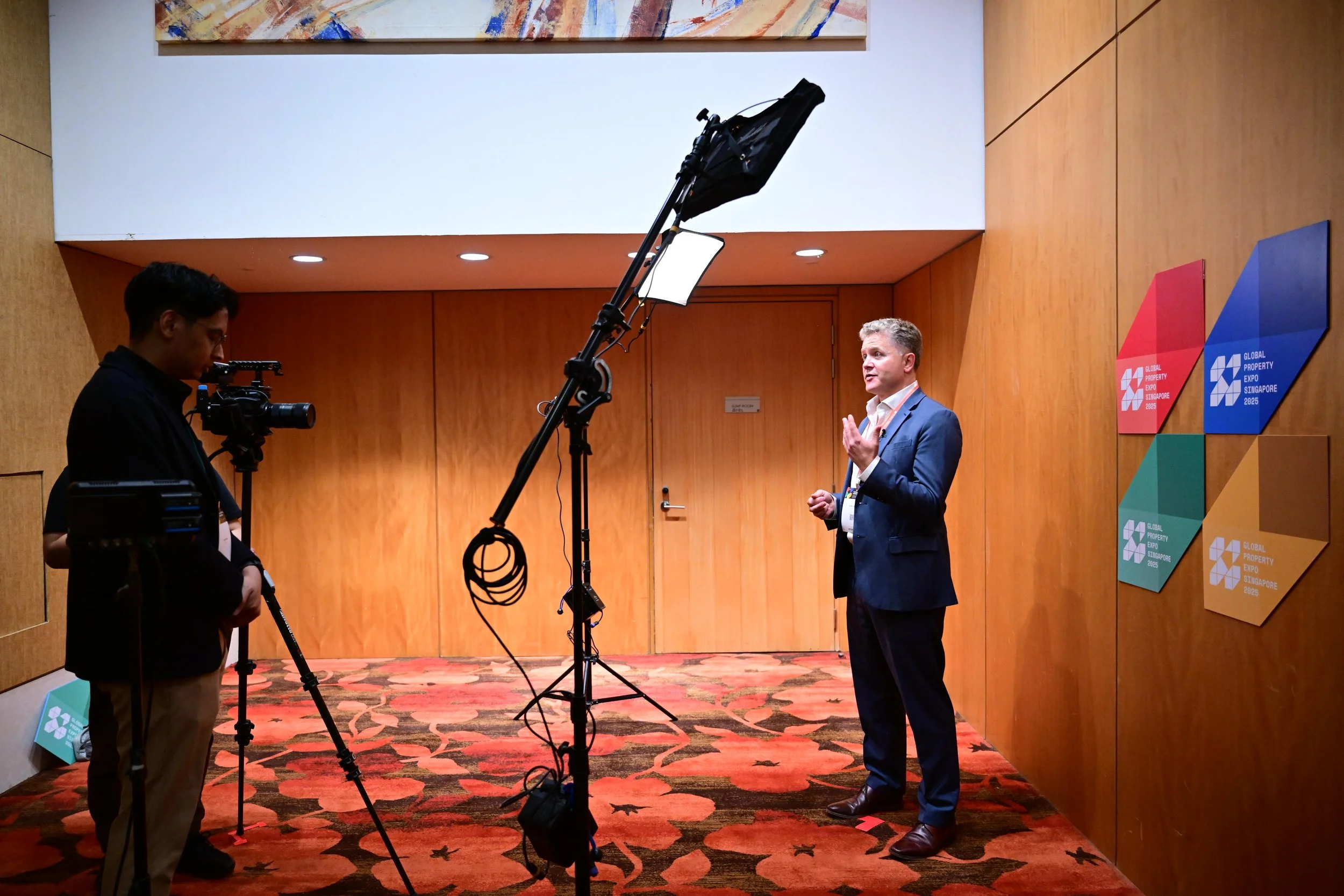
Event PR should start at least three months ahead. For a big show, eight or nine months could be closer to the mark.
Most of what follows only works if you have that runway. Once the speaker roster is signed and the sponsors are locked, half these options have quietly closed.
The following items are listed in no particular order.
1. Ask speakers and exhibitors about media and social media participation before they sign.
When you bring on a speaker or an exhibitor, get them to state from the outset whether they will take media inquiries and interview requests. Yes or no, on the record, at the point of agreement.
Do this after the contract is signed and you are negotiating a favour. Do it before, and it is simply part of the arrangement.

Quotable Quote from a Global Young Scientists Summit Speaker interview
2. Ask exhibitors what they are bringing
As exhibitors on sign up what will they showcase? Are they exhibiting anything innovative?
Exhibitors and Speakers routinely arrive with a product launch, a piece of research or a demonstration that nobody on the PR side knew about until the week of the show — by which point the pitch window has closed.
THAIFEX - HOREC Asia 2024 Exhibitor Interview by Pinpoint PR
3. Turn 20 minutes of speaker time into a content programme
Book a 30-minute interview with each key speaker on Zoom. Record it.
From roughly 20 minutes of their time, you get:
a quotable-quote social post
a one-to-three-minute interview clip for social
a thought leadership editorial for trade media
an article posted on LinkedIn
a LinkedIn post with a carousel
an interview pitch for the speaker
That is a pre-event content bank from a single calendar entry, and it builds interest among visitors and conference delegates well before anyone arrives on site.
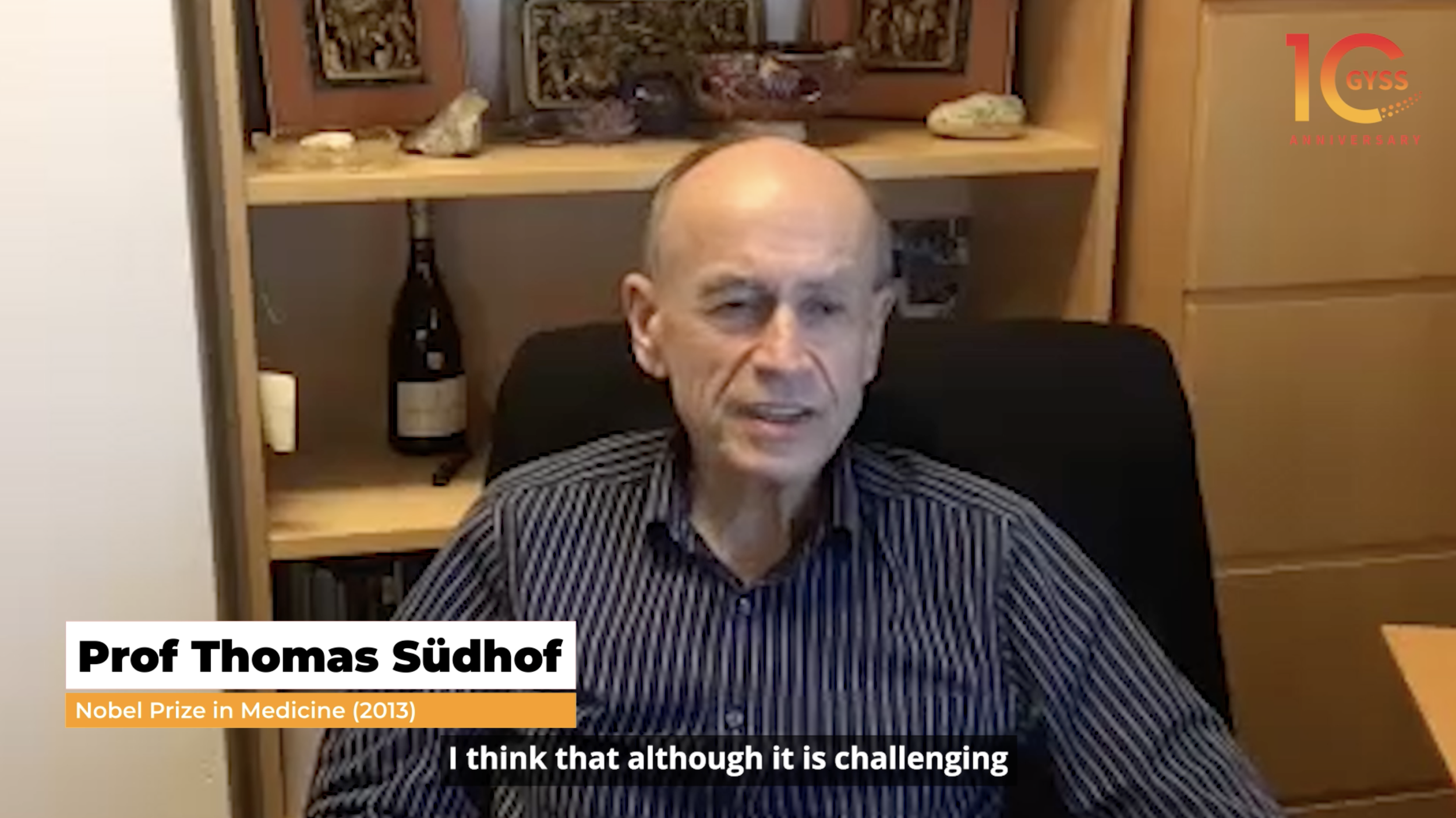
A 20-minute recorded speaker interview pre-event offers a ton of content to repurpose.
4. Convert marketing spend into journalist visit programmes
If you run a recurring event and need regional PR, build partnerships with national newspapers across the region.
Take part of the advertising and marketing budget and sponsor airfares and hotels for journalists. In return: pre-event interviews, feature stories, and coverage of that country's exhibitors at the show.
It pays dividends in both exhibitor and visitor interest, and it buys something an advertisement cannot — a journalist who has met your exhibitors.
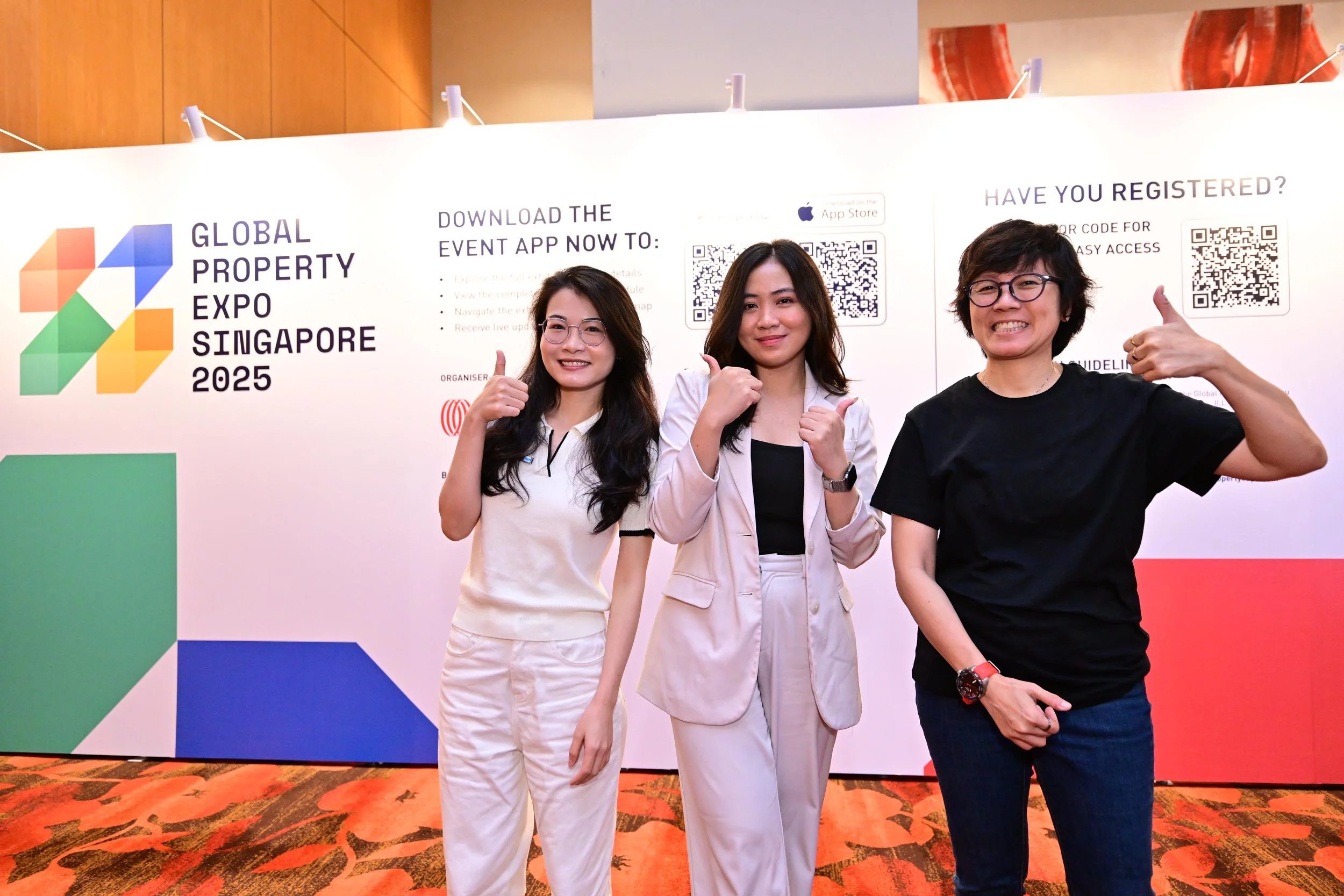
Three trade media journalists who enjoyed JVPs to Singapore in 2025
5. Design media tours of key exhibitor booths
Set up spokespeople at the booths to answer media questions, and route journalists through a planned circuit rather than leaving them to wander.
Journalists frequently return to speak to a spokesperson again, then write up the offering. It generates targeted trade and national media opportunities that would not have existed if the same journalist had walked the floor unaccompanied.
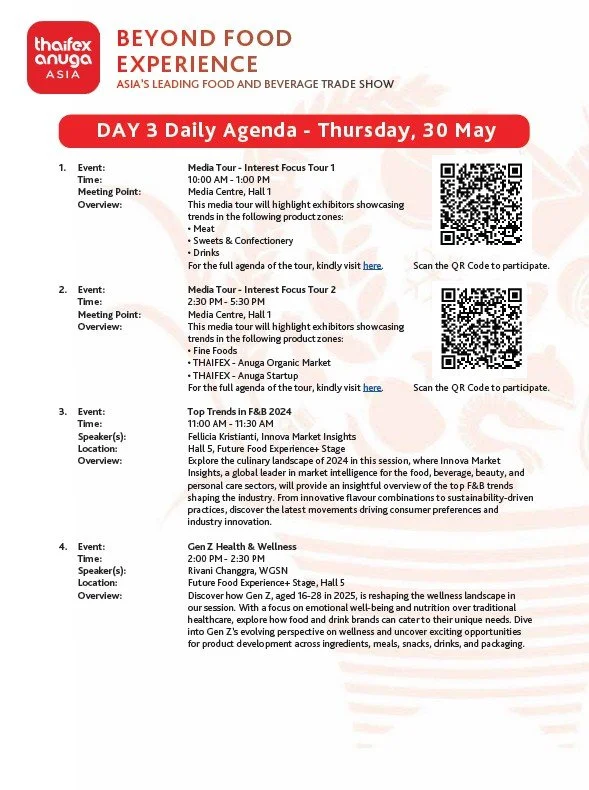
Example of a media tour itinerary
6. Ask sponsors and exhibitors for content
Ask speakers, exhibitors and sponsors for photos, product descriptions, and a short Q&A they can self-record on video.
It costs them very little and gives you a steady supply of social content to build visitor interest — content that also flatters the exhibitor, which makes the second ask easier than the first.
Create a highlights reel ahead of the event.
7. Partner with associations and trade bureaus
Use AI to identify every relevant association and trade bureau in the region you are targeting. Write to the secretary or president and request a partnership with your event. Offer a few VIP passes in exchange for their participation.
They will invite their members, which gives you a targeted audience of buyers and exhibitors rather than general foot traffic.
We did this for the first edition of THAIFEX – HOREC Asia in 2024. The association partners from Vietnam, Cambodia and Laos placed the greatest number of orders at the show.
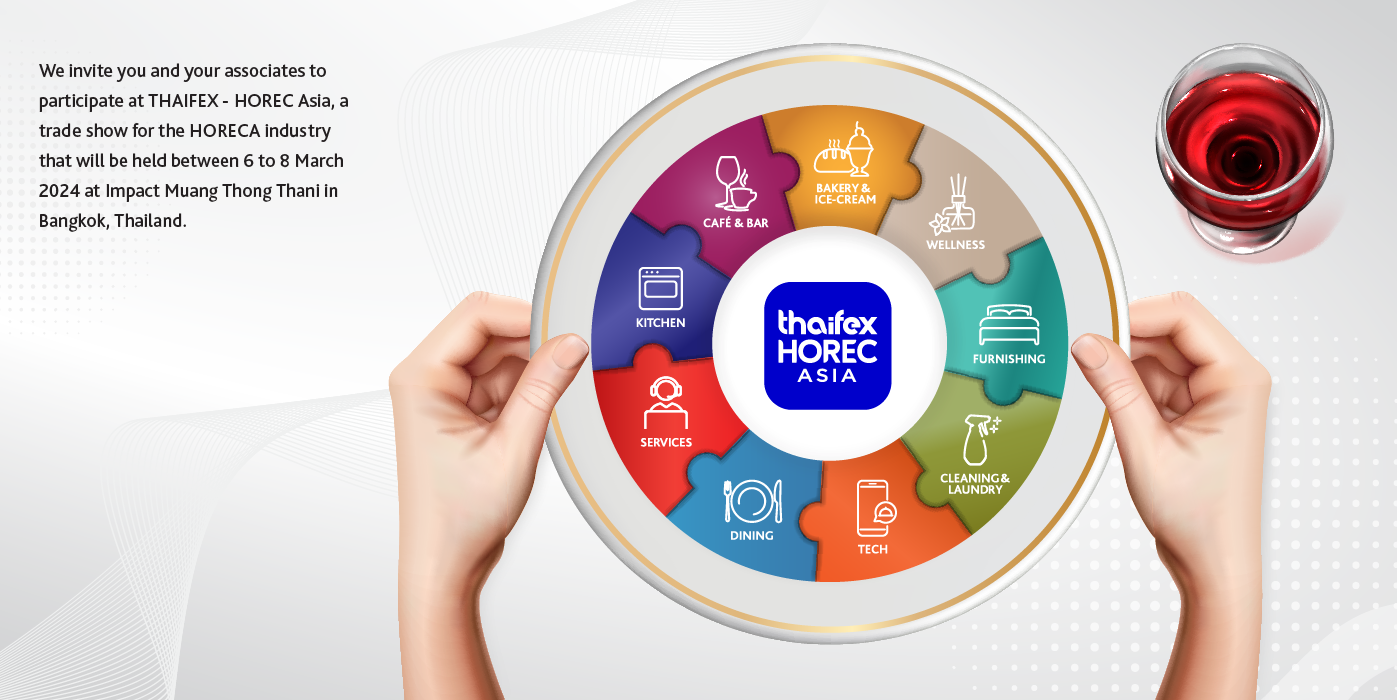
Design a relevant campaign for partner engagement
8. Offer quid pro quo agreements to trade media
Approach target trade publications to partner with your show. In exchange they will swap feature editorials, publish your press releases, run banner advertising and social posts promoting the event, and send a representative to cover the show for at-event and post-event PR.
What you give in return: a free pass, hyperlinked logos, and logo placement at the event. No cash changes hands.
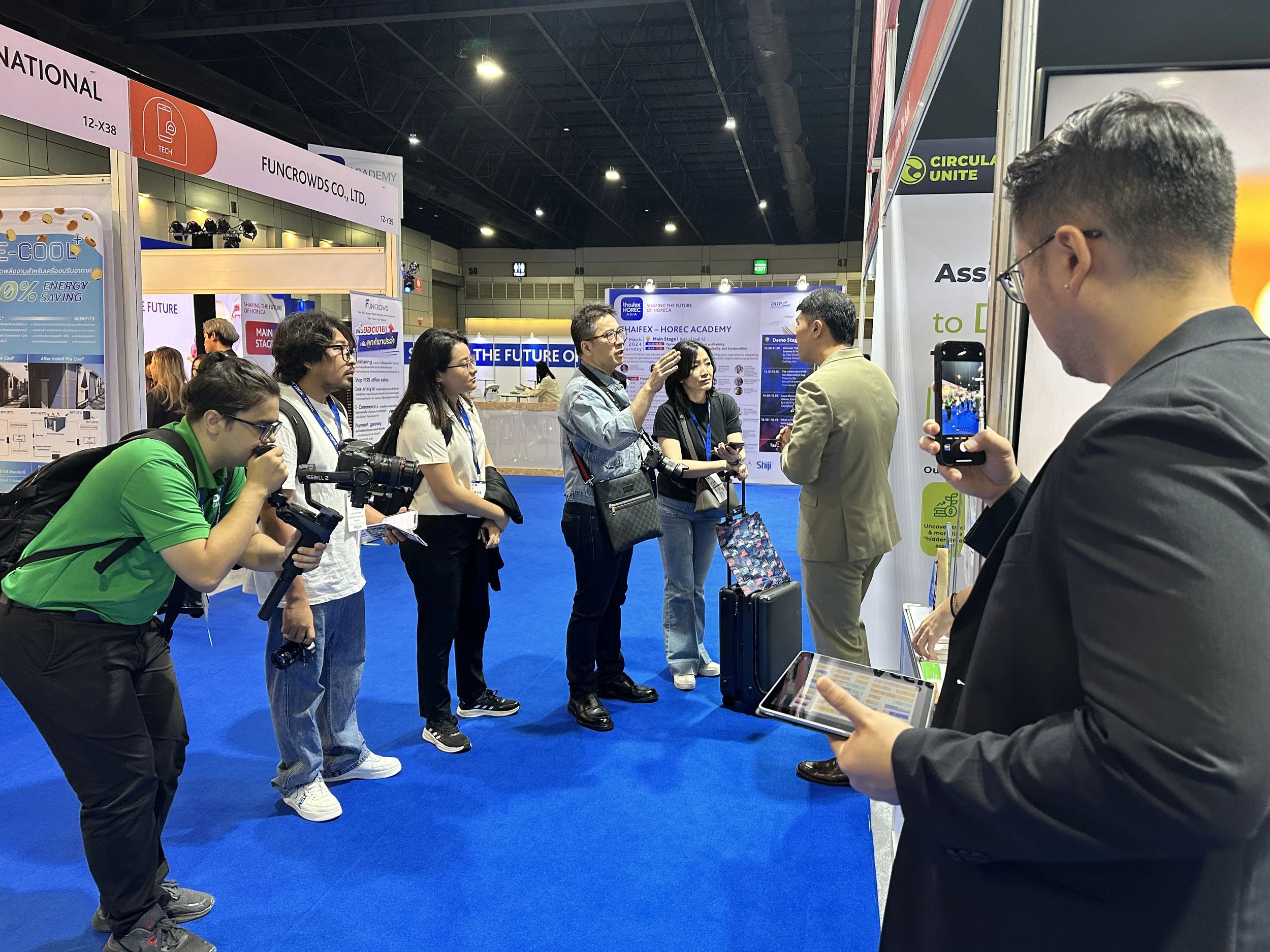
A trade media tour at THAIFEX - HOREC Asia 2024
9. Host a media roundtable at the show
Bring key exhibitors and sponsors together with trade media to discuss innovations and trends in the category.
You get a stack of feature stories out of it, and the spokespeople and organisers get quoted in them — which is a materially different outcome from being mentioned in a show-round-up.
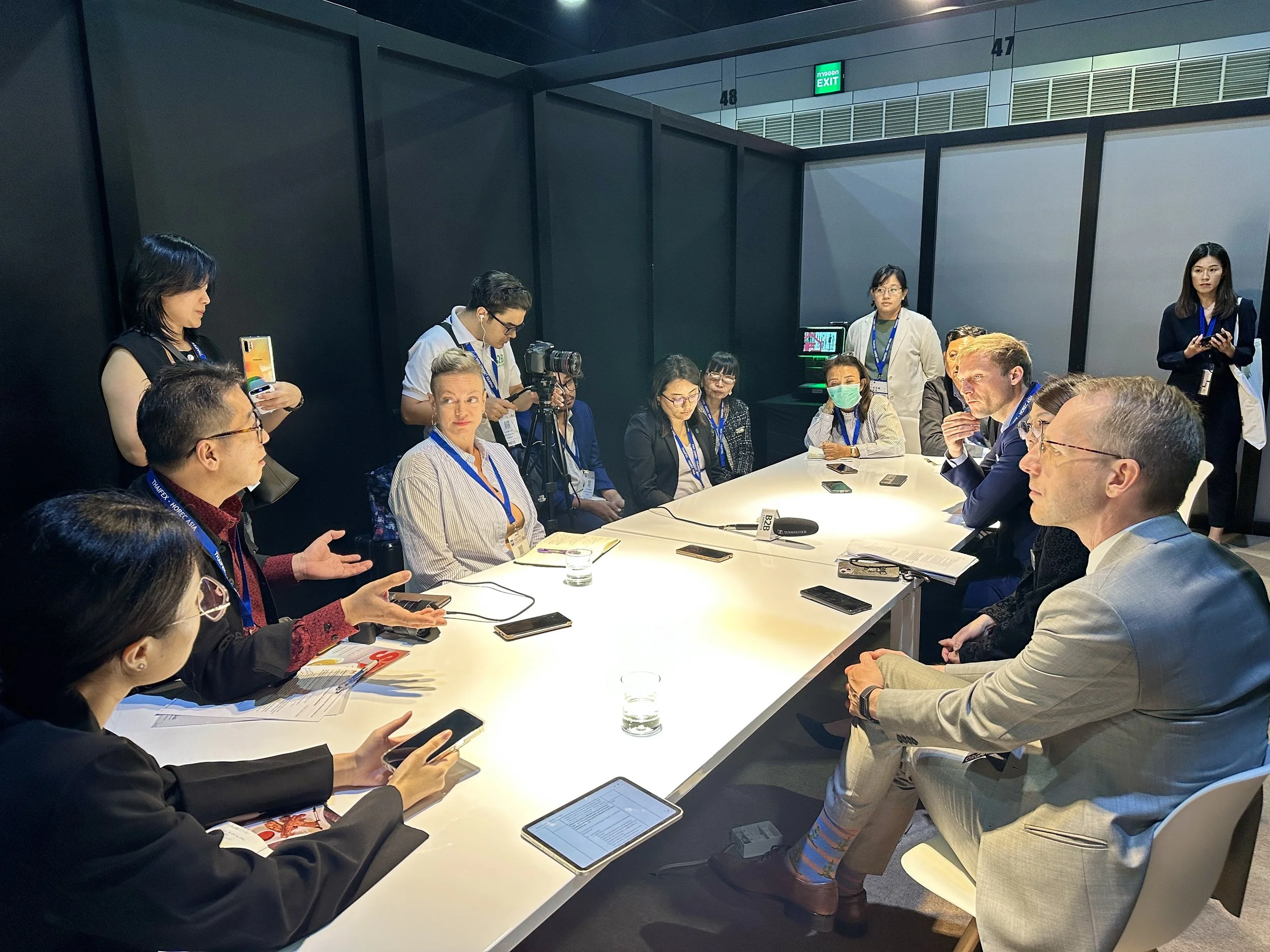
Trade Show Media briefing
10. Start earlier than feels necessary
Everything above assumes you can shape the speaker agreements, redirect part of the marketing budget, court associations across several markets, and negotiate media partnerships.
Come in at six weeks and you can still publicise an event. You just cannot build one that the industry has a reason to attend.
Learn more about our Event PR → services.
